The Enduring Charm of Pineapple Upside Down Cake
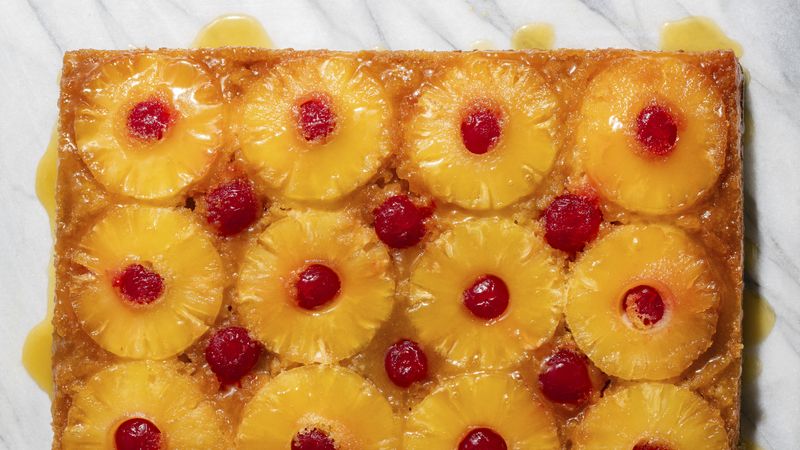
Few desserts evoke a sense of nostalgic comfort and whimsical delight quite like the pineapple upside down cake - Article 1. With its vibrant, caramelized pineapple rings and ruby-red maraschino cherries glistening atop a tender, moist cake, it's a confection that consistently captivates both the eye and the palate. More than just a pretty face, this vintage classic delivers a perfect harmony of sweet, tangy, and buttery flavors, making it a perennial favorite for potlucks, family gatherings, and celebratory meals. Its unique construction – baked with the fruit at the bottom and then inverted – creates a stunning presentation that requires minimal frosting, letting the natural beauty of the fruit shine through. It’s a testament to simple ingredients coming together in a magical way, creating a dessert that feels both elegant and down-to-earth.
The history of the pineapple upside down cake is as rich as its flavor. While upside-down cakes have existed in various forms for centuries, often featuring apples, cherries, or other seasonal fruits, the specific iteration we know and love today truly surged in popularity in the United States in the 1920s. This boom was largely thanks to the Dole Food Company, which, having developed an efficient way to can pineapple rings, heavily promoted recipes featuring their product. The ease and availability of canned pineapple made this once labor-intensive dessert accessible to every home cook, cementing its status as an American culinary icon. Today, the pineapple upside down cake continues to be celebrated not just for its historical significance, but for its timeless appeal and ability to bring smiles to faces across generations. Whether you're a seasoned baker or a curious novice, mastering this classic is a rewarding endeavor that promises delicious results.
Mastering the Art of the Caramelized Topping
The heart and soul of any exceptional pineapple upside down cake lie in its beautifully caramelized fruit topping. This isn't just a decorative layer; it's what infuses the cake with its signature moistness, tangy sweetness, and rich buttery flavor. Achieving that perfect golden-brown, glistening finish requires a few key steps and attention to detail.
Choosing Your Pineapple: Fresh vs. Canned
- Canned Pineapple Rings: The most traditional and convenient choice. Opt for pineapple packed in juice, not heavy syrup, to avoid an overly sweet result. Be sure to drain the rings thoroughly before using, patting them dry with paper towels to prevent excess moisture from making the cake soggy.
- Fresh Pineapple: For a truly elevated flavor and texture, fresh pineapple is an excellent option. It offers a brighter, more vibrant tang and a firmer bite. Slice it into 1/2-inch thick rings, core them, and pat them dry. While a little more effort, the results are undeniably superior.
Building the Bottom Layer: Butter, Brown Sugar, and Cherries
The foundation of the topping begins in your baking pan. Traditionally, a 9-inch cast iron skillet or a round cake pan is used. Here’s how to prepare it:
- Melt the Butter: Start by melting a generous amount of unsalted butter directly in the pan over low heat (if using a cast iron skillet) or in the microwave and then pouring it into a cold cake pan. Swirl to coat the bottom evenly.
- Sprinkle Brown Sugar: Evenly sprinkle light or dark brown sugar over the melted butter. The brown sugar not only adds sweetness but contributes significantly to the caramelization process, creating that deep, molasses-like flavor.
- Arrange the Fruit: This is where the artistry comes in. Arrange your pineapple rings decoratively on top of the brown sugar and butter. A common pattern is to place one ring in the center and then surround it with other rings, often overlapping slightly. Fill any gaps with half-rings or pineapple chunks.
- Add the Maraschino Cherries: No pineapple upside down cake - Article 2 is complete without the iconic maraschino cherries. Place a cherry in the center of each pineapple ring, or strategically scatter them for bursts of color. Drain them well to prevent color bleeding into the cake batter.
Pro Tip: For an extra layer of flavor, consider sprinkling a pinch of cinnamon or a dash of rum or brandy over the butter and sugar mixture before adding the pineapple. This adds depth and warmth that beautifully complements the fruit.
Crafting the Perfect Cake Batter: Tips for Moistness and Flavor
While the topping is undeniably the star, the cake itself plays a crucial supporting role. A truly great pineapple upside down cake demands a moist, tender, and flavorful crumb that can absorb some of the rich caramel and fruit juices without becoming soggy. Achieving this balance is key to a delightful eating experience.
The Ideal Cake Base: Yellow or Vanilla
Most classic recipes call for a simple yellow or vanilla cake batter. This provides a neutral yet comforting backdrop that allows the pineapple and caramel flavors to shine. Here’s what makes for a superb batter:
- Creaming Method: Start by creaming softened butter with granulated sugar until light and fluffy. This incorporates air, which contributes to the cake's tender texture.
- Eggs for Structure and Richness: Add eggs one at a time, mixing well after each addition. Eggs provide structure, moisture, and richness. Ensure they are at room temperature for better emulsification.
- Dry Ingredients: A combination of all-purpose flour, baking powder (for lift), and a pinch of salt. Sifting these together ensures even distribution and a lighter cake.
- Liquid Ingredients: Milk or buttermilk is commonly used. Buttermilk, with its acidity, can react with baking soda (if used) to produce an extra-tender crumb and adds a subtle tang that complements the pineapple beautifully. Again, room temperature is ideal.
- Vanilla Extract: Don't skimp on good quality vanilla extract. It enhances all the other flavors in the cake.
Key Tips for a Moist Crumb
- Don't Overmix: Once you add the dry ingredients to the wet, mix only until just combined. Overmixing develops the gluten in the flour, leading to a tough, dry cake. A few small lumps of flour are better than a dense cake.
- Proper Leavening: Ensure your baking powder is fresh. Expired leavening agents will result in a flat, heavy cake.
- Room Temperature Ingredients: This is crucial for a smooth, well-emulsified batter. Cold ingredients don't blend as effectively, leading to a less uniform texture.
- Balance Moisture: The cake batter should be thick enough to hold its structure but loose enough to spread over the fruit without disturbing the arrangement too much. If using fresh pineapple, which releases less liquid than canned, you might not need to adjust the batter's liquid content as much.
Once your batter is perfectly mixed, carefully spoon or pour it over the prepared fruit layer in the pan. Gently spread it to cover all the pineapple and cherries, being careful not to shift the fruit. The goal is an even layer that will bake uniformly and eventually become the base of your stunning upside-down creation.
From Pan to Plate: The Thrill of the Flip
The moment of truth for any pineapple upside down cake is undoubtedly the flip. It's the grand reveal, the culmination of all your careful preparation. While it can feel a little nerve-wracking, with the right technique, you can ensure a flawless presentation every time.
Baking to Perfection
- Preheat Your Oven: Ensure your oven is fully preheated to the specified temperature (usually around 350°F or 175°C). An accurately heated oven promotes even baking.
- Baking Time: Baking times can vary, but generally, a pineapple upside down cake bakes for 40-50 minutes. The cake is done when a wooden skewer or toothpick inserted into the center comes out clean, and the top springs back lightly when touched. The edges of the cake should also be pulling slightly away from the sides of the pan.
- Don't Peek Too Early: Resist the urge to open the oven door frequently, especially in the first 30 minutes, as this can cause the cake to sink.
The Critical Cooling Period
This step is paramount for a successful flip. You want the cake to cool just enough for the caramel to set slightly, but not so much that it hardens and sticks to the pan.
- Rest for 5-10 Minutes: Once removed from the oven, let the cake rest in its pan on a wire rack for precisely 5 to 10 minutes. This short resting period allows the hot caramel and fruit juices to soak into the cake, intensifying its flavor and moisture, and helps the topping set enough to release cleanly.
- Too Soon: Flipping immediately might cause the fruit and caramel to slide off the cake due to being too liquid.
- Too Late: Waiting too long can cause the caramel to harden and stick firmly to the pan, making it difficult to release without tearing the cake.
The Big Flip!
- Prepare Your Plate: Choose a serving plate that is sturdy and slightly larger than your cake pan.
- Position and Invert: Place the serving plate upside down directly on top of the cake pan. Holding both the pan and the plate firmly together, quickly and confidently invert them.
- Lift Slowly: Once inverted, let the cake pan sit on top of the serving plate for a minute or two. This allows gravity and residual heat to help the cake release. Then, slowly and carefully lift the cake pan. If any fruit pieces stick, gently nudge them off the pan and onto the cake using a small spatula or knife.
- Admire Your Work: Behold your beautiful, glistening pineapple upside down cake!
Don't be discouraged if a piece of pineapple sticks the first time. It happens to the best of us! A little gentle persuasion or strategic replacement can usually fix it. The slight imperfections often add to the homemade charm.
Beyond the Classic: Variations and Serving Suggestions
While the classic pineapple upside down cake is a masterpiece in its own right, its versatile nature lends itself beautifully to creative variations and complementary serving suggestions. Once you've mastered the traditional recipe, don't hesitate to experiment and make it your own.
Creative Fruit Combinations
- Stone Fruits: Peaches, nectarines, or plums can be delightful substitutes or additions. Their natural sweetness and tartness caramelize wonderfully. Arrange them in slices for a similar visual appeal.
- Apples & Pears: Thinly sliced apples (like Honeycrisp or Granny Smith) or firm pears can create a lovely autumnal twist. A sprinkle of cinnamon or nutmeg in the caramel layer would be a perfect complement.
- Berries: While less common for the bottom layer, a handful of raspberries or blackberries scattered among pineapple rings can add a burst of color and tartness.
- Tropical Medley: Combine pineapple with mango slices or kiwi for an even more exotic flavor profile.
Spice and Flavor Enhancements
To deepen the flavor profile of your pineapple upside down cake:
- Spices: A pinch of ground ginger, nutmeg, or allspice in the cake batter or even mixed with the brown sugar adds warmth and complexity.
- Nuts: Toasted pecans or walnuts sprinkled over the brown sugar before adding the pineapple provide a delightful crunch and nutty flavor.
- Coconut: A sprinkle of shredded coconut (toasted or untoasted) can enhance the tropical notes of the pineapple.
- Liqueurs: A tablespoon of dark rum, bourbon, or even an orange liqueur mixed into the brown sugar layer, or brushed lightly over the finished cake, adds an adult sophistication.
Serving Your Masterpiece
The beauty of this cake is that it's absolutely delicious on its own, but a few simple accompaniments can elevate the experience:
- Whipped Cream: A dollop of freshly whipped cream, perhaps lightly sweetened with vanilla or a touch of rum, cuts through the richness beautifully.
- Vanilla Ice Cream: A scoop of premium vanilla bean ice cream melting slightly into a warm slice of cake is a truly decadent treat.
- Creme Fraiche: For a slightly tangy, less sweet option than whipped cream, crème fraîche is an excellent choice.
- Warm or Room Temperature: While delicious at room temperature, a slightly warm slice allows the caramel to be more fluid and the cake to feel incredibly comforting. You can gently reheat individual slices in the microwave for a few seconds.
Storage Tips
Store any leftover pineapple upside down cake loosely covered at room temperature for up to 2 days, or in the refrigerator for up to 4-5 days. Bringing it back to room temperature or gently warming before serving will enhance its flavors and texture.
Conclusion
The pineapple upside down cake stands as a testament to timeless dessert making: simple ingredients, thoughtful preparation, and a captivating presentation that delights every time. From its humble beginnings to its current status as a beloved classic, this cake offers a perfect blend of sweet, tart, and buttery goodness. Whether you're drawn to its nostalgic charm, its stunning visual appeal, or simply the irresistible combination of caramelized fruit and moist cake, baking this dessert is a truly rewarding experience. So, gather your ingredients, embrace the process, and prepare to impress with this iconic, utterly delicious creation that promises to bring a burst of sunshine to any table.
